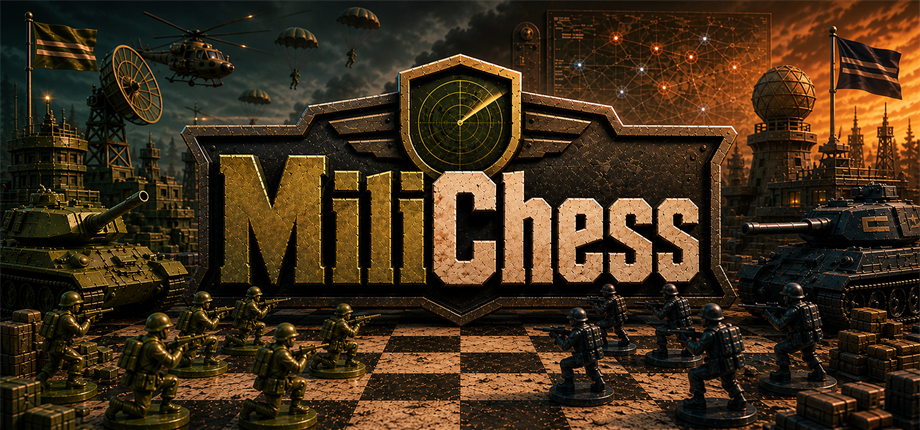
Steam page
MiliChess
Prepared the Steam-facing material around the game: screenshots, videos, page assets, and a clearer presentation of the modes, units, and tactical loop.
Portfolio
My strongest role is production: organizing ideas, people, assets, systems, and deadlines so a project becomes something usable. I can make art, but the larger value is that I know how to get the work across the line.
A short set of examples where the important part is not just the image, but the planning, coordination, implementation, and presentation around the work.
Prepared the Steam-facing material around the game: screenshots, videos, page assets, and a clearer presentation of the modes, units, and tactical loop.

Worked through Unity-side production tasks including character setup, puzzle logic, camera work, level context, and iteration.
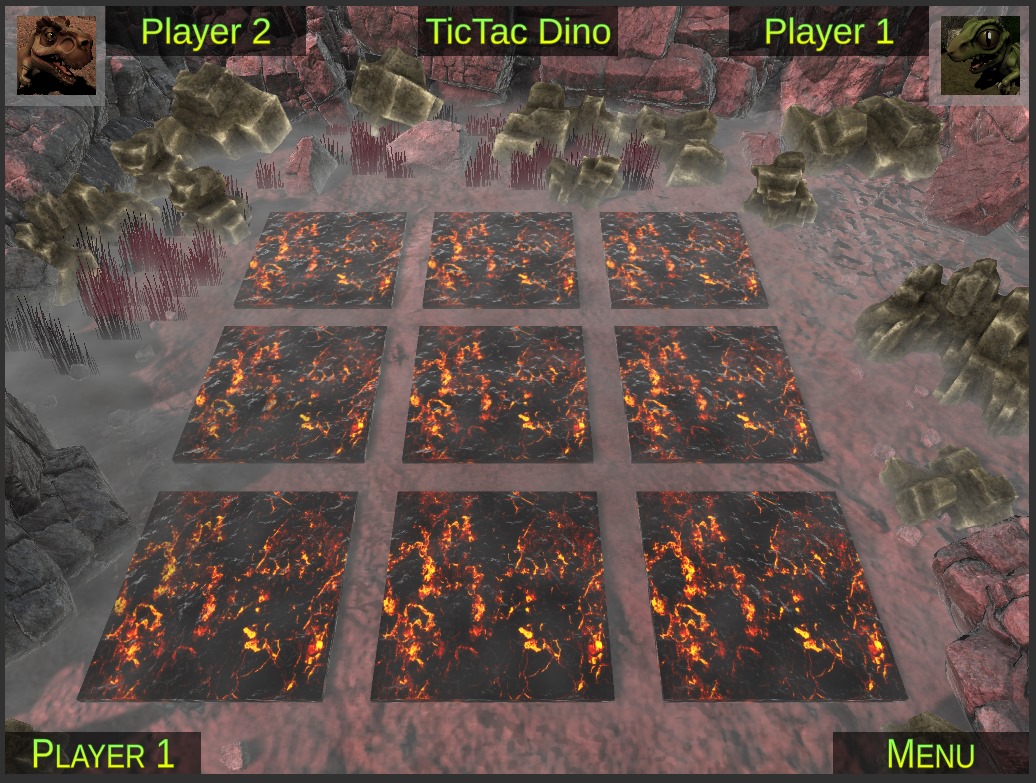
Built and published a small game for young players, including character selection, play spaces, feedback, and release packaging.
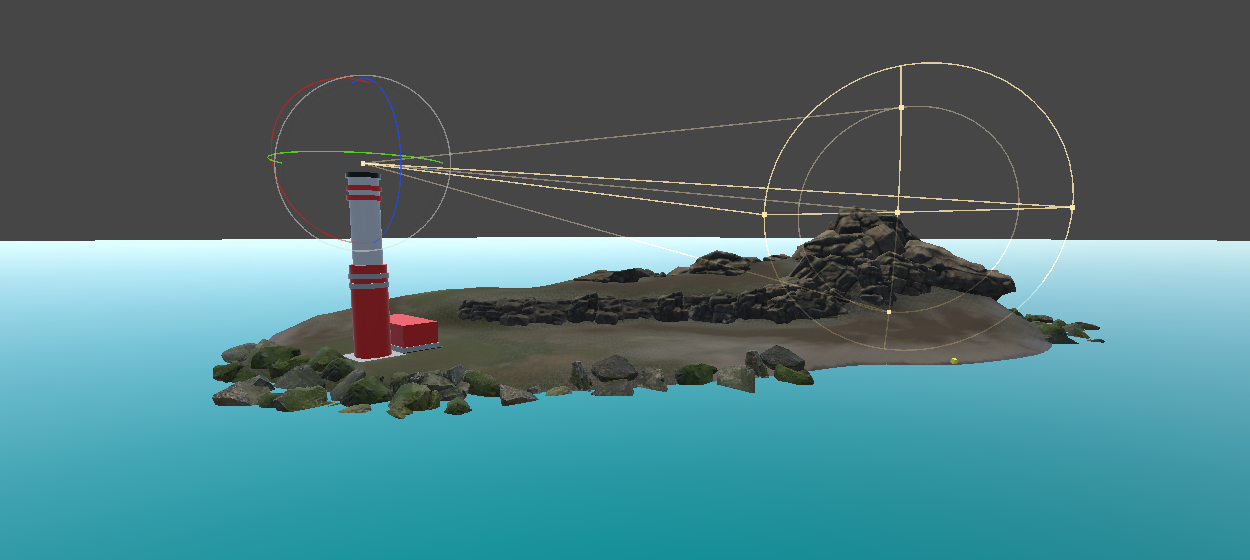
Finished a 48-hour game build by staying practical about layout, mood, integration, and what had to be playable by the deadline.
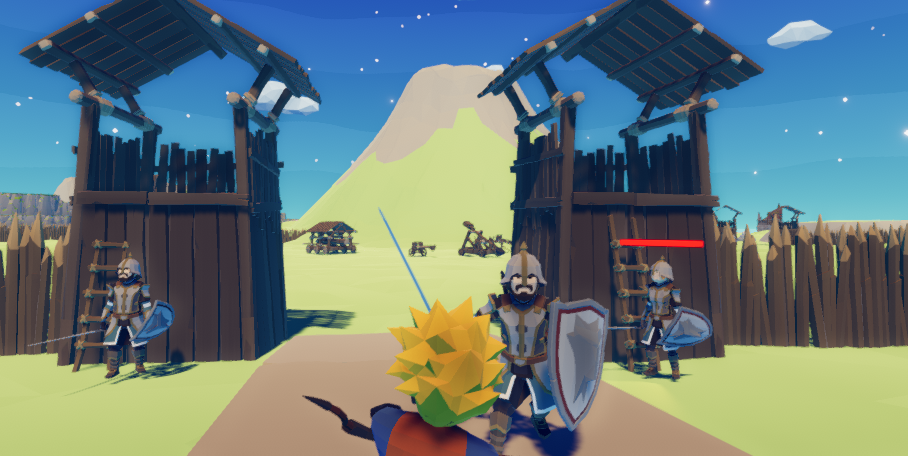
Planned maps, NPC behavior, faction conflict, and early level direction so the game had a structure to build from.
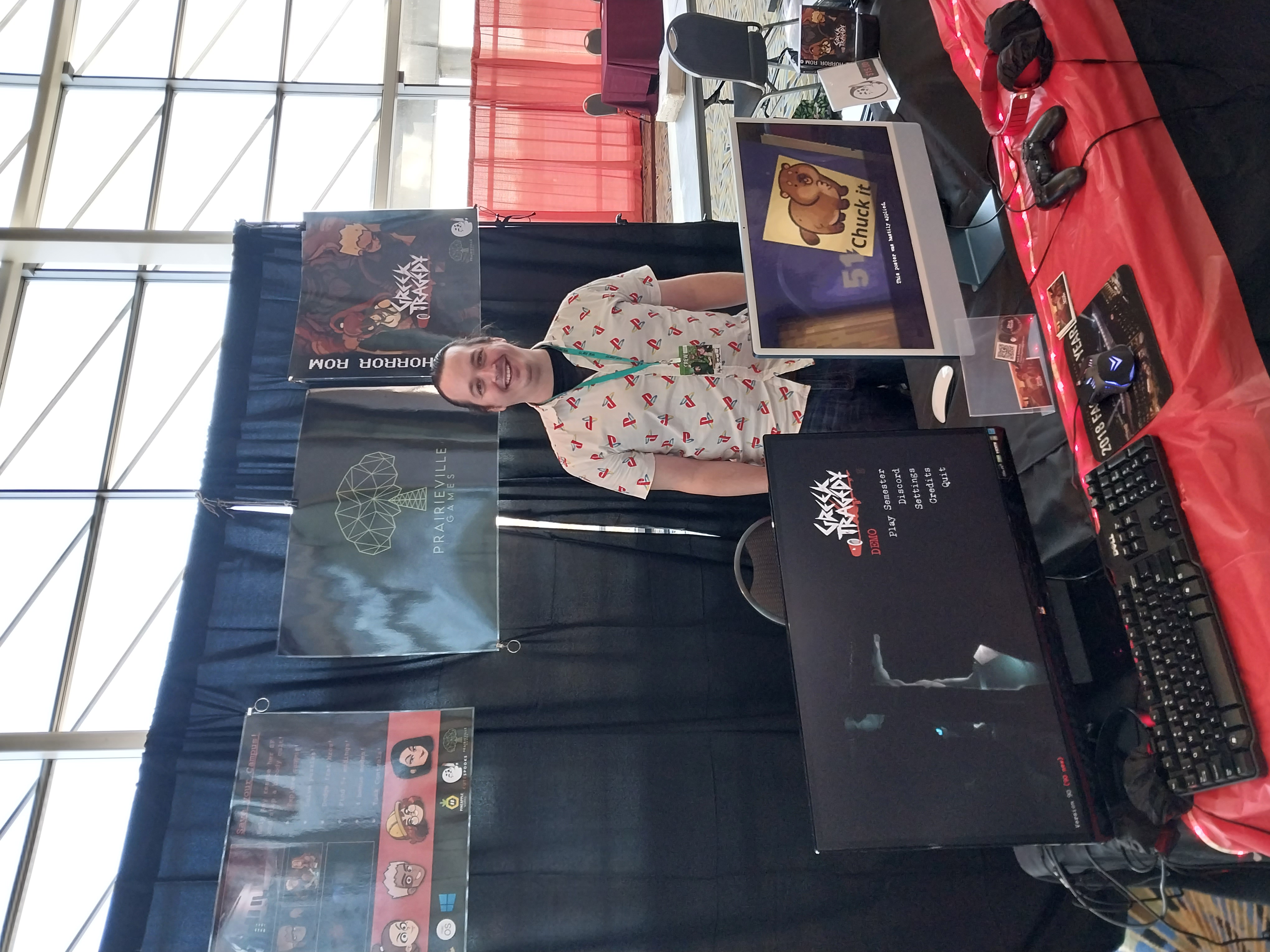
Handled public-facing game presentation: booth setup, conversations, demos, and connecting players with the work.
This is the practical part of the work I want to show more clearly.
The process is simple, but it matters when people are busy and the project is messy.
Define the audience, goal, constraints, and first useful target.
Convert ideas into tasks, references, asset needs, systems, and milestones.
Make the pieces and keep progress visible.
Check the experience in-engine, in-context, and with the intended player or learner.
Package the work for a build, class, demo, event, or public page.
Choose a type of work, then use the arrows, thumbnails, or mouse wheel over the display to move through labeled examples: 3D models, 2D assets, game screens, process work, and object studies.
I still want this here because I like the work and it shows follow-through. The useful part for production is the asset range: ships, structures, props, effects, enemies, and variations that could belong to one game world.
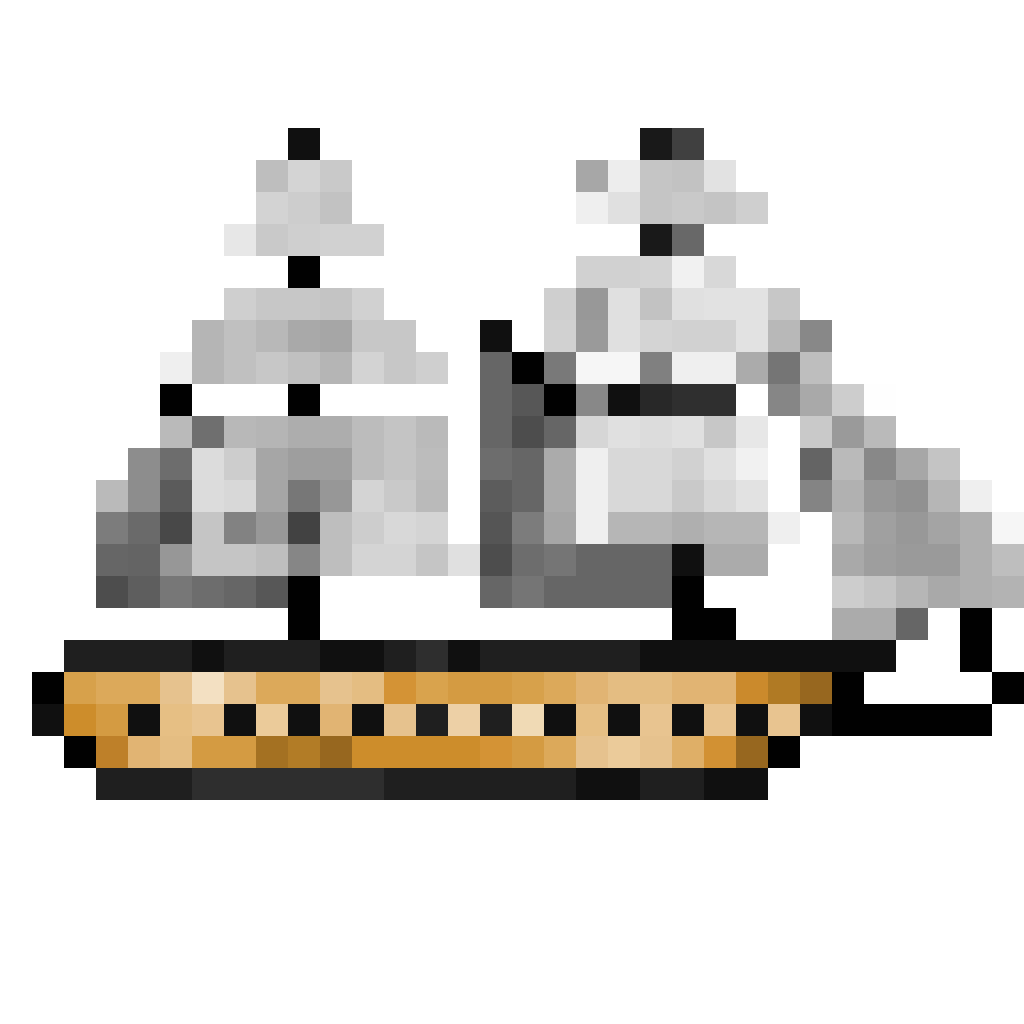
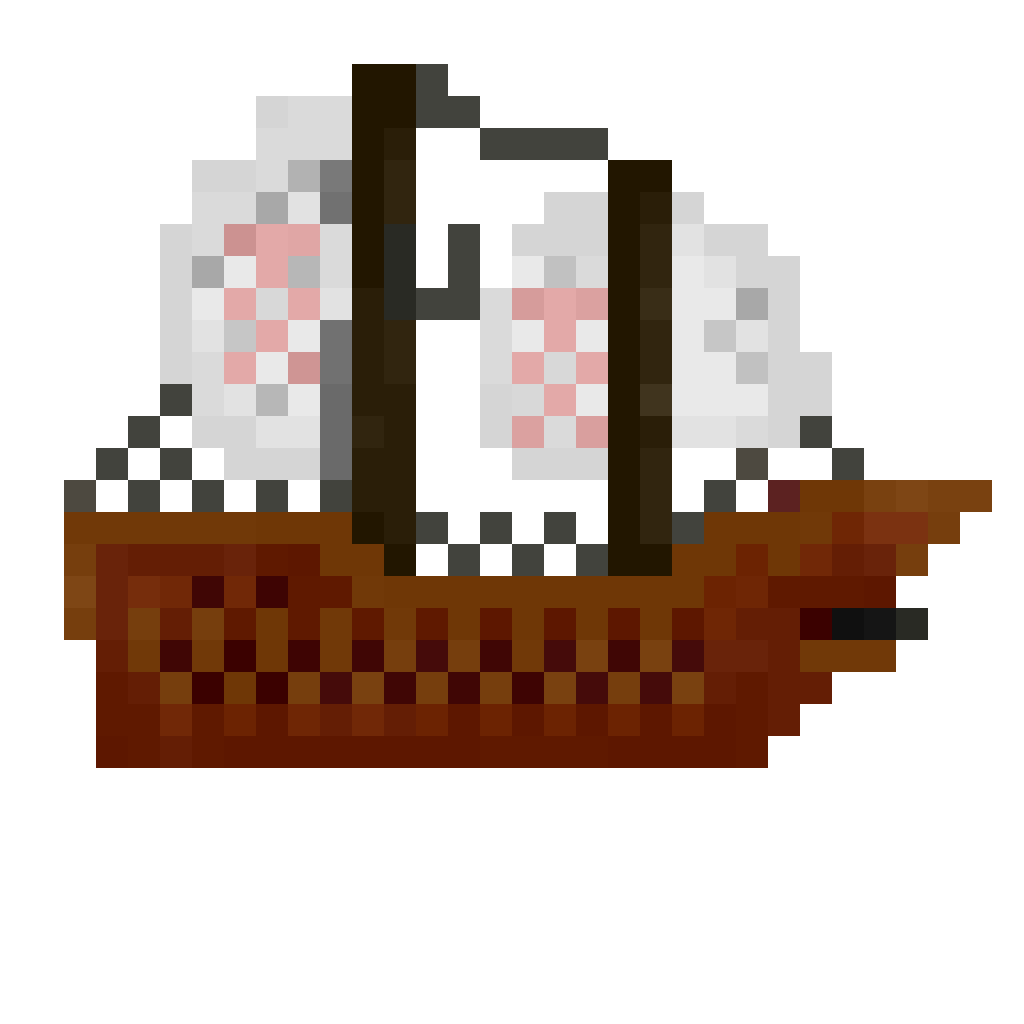
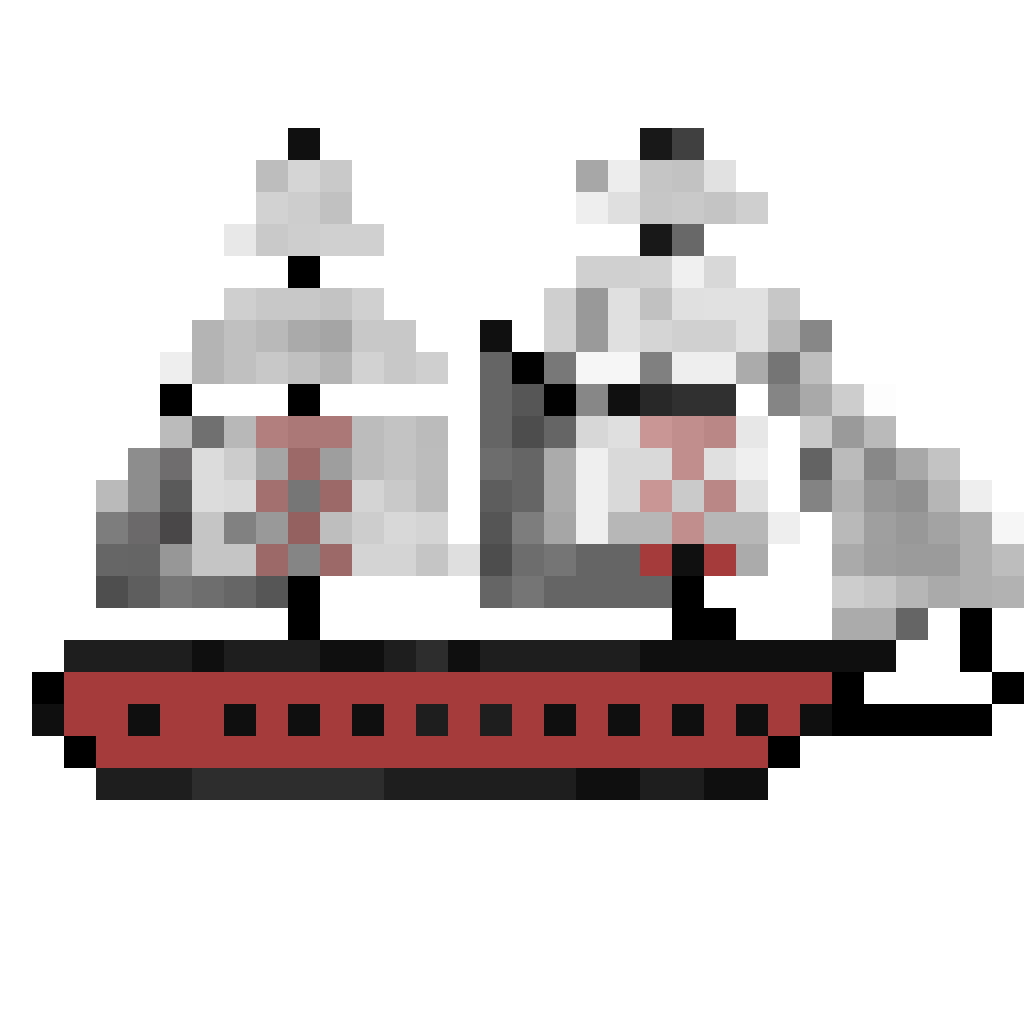


Some of the work is not a clean game screenshot, but it still matters to production.
Built lessons and class activities around digital art, game engines, technical skills, and student projects.
Supported developer community work through SMGDA, public events, discussions, and shared resources.
Worked across Unity, Blender, 3D assets, 2D art, animation, gameplay logic, AI behavior, and web pages.